Best Services For You
- We prioritize the holistic development of children, fostering their play, academic, motor skills, daily living abilities, and active participation in social activities for a well-rounded childhood experience.
- Our approach emphasizes natural learning settings, enabling children to readily transfer positive behaviors to their homes and schools, promoting consistent and effective development.
- Our emphasis lies in a team approach, fostering effective communication among professionals and parents, as it is paramount for achieving better outcomes.
ALL TYPE HEARING TEST
PHYSIO THERAPY
Physiotherapy is a vital healthcare discipline focused on improving patients' mobility, function, and overall well-being. It encompasses physical rehabilitation, injury prevention, and enhancing health and fitness. Skilled physiotherapists actively engage patients in their recovery journey,
SPEECH THERAPY
Speech-language pathology, led by speech-language pathologists (SLPs), is a crucial allied health profession. It addresses communication and swallowing disorders, working alongside fields like audiology, behavior analysis, optometry, and physical therapy to enhance patient well-being.
OCCUPATIOANL THERAPY
Occupational therapy (OT) involves assessment and interventions to enable meaningful activities. Occupational therapists and assistants (OTAs) provide this allied health profession. OTs commonly assist individuals with mental health challenges.
ABA THERAPY
ABA therapy, or Applied Behavior Analysis therapy, is a systematic, evidence-based intervention used to assess and modify behaviors, especially in individuals with autism. It employs data-driven techniques to enhance desired behaviors and reduce problematic ones.
Hearing Test
A hearing test, also known as an audiometric evaluation, is a medical assessment conducted by audiologists to measure an individual's ability to hear sounds, assess hearing loss, and determine its extent.
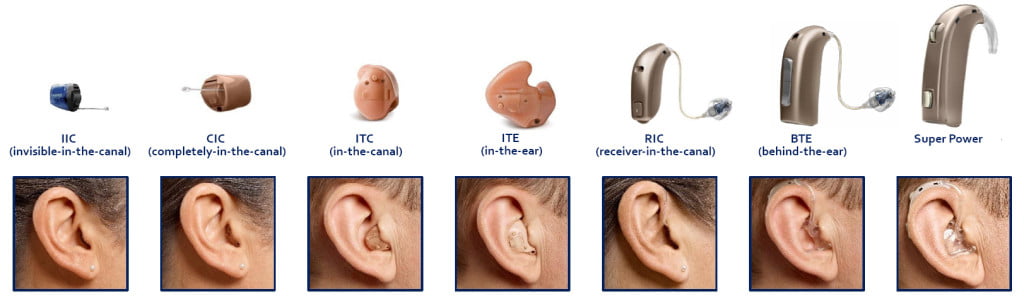
Hearing Aid fitting
Hearing aid fitting is a personalized process conducted by audiologists to select, adjust, and program hearing aids according to an individual's hearing loss and preferences, ensuring optimal sound amplification and comfort.
Hearing Aid Trial
A hearing aid trial is a temporary period during which an individual with hearing loss wears hearing aids to assess their suitability and effectiveness in improving hearing before committing to a permanent purchase.
Special Education
Special education therapy is a personalized approach to help individuals with disabilities or learning difficulties develop cognitive, emotional, and physical skills, fostering inclusivity and addressing unique needs.

New Born Hearing Screening
New Born Hearing Screening
Hearing screening is a crucial assessment of one's ability to perceive various sounds. The process results in either a pass or fail outcome. Passing indicates no immediate concerns, while failing suggests the need for further evaluation to determine if hearing loss is present. Newborn hearing screening is a widely adopted practice in hospitals across the country. Its primary goal is to identify infants at risk of hearing impairment, facilitating early intervention and support. Additionally, it aims to recognize newborns with medical conditions that could lead to delayed hearing loss, establishing a plan for ongoing monitoring of their hearing health. Guidelines set by organizations like the Joint Committee on Infant Hearing (JCIH) stress the importance of timely actions. These guidelines advocate for hearing screening to be completed within the baby's first month, any hearing loss diagnosis by the third month, and the selection and fitting of hearing aids within one month of confirming the hearing loss, if desired by the parents. Moreover, entry into early intervention (EI) services should occur by the child's sixth month.
PTA(Pure Tone Audiometry)
Pure Tone Audiometry (PTA) is a fundamental audiological test used to assess an individual's hearing sensitivity. It involves the use of headphones and pure tone signals at different frequencies and intensities to measure the softest sounds a person can hear. PTA aids in identifying hearing loss, determining its type and degree, and is crucial for the fitting of hearing aids or other interventions. This non-invasive test is a standard procedure performed by audiologists to diagnose and monitor hearing-related issues, helping individuals of all ages achieve better hearing and improved quality of life.
Impedance Audiometry
Impedance audiometry, also known as tympanometry, is a diagnostic test used to evaluate the function of the middle ear and diagnose various ear conditions. During the test, a probe is placed in the ear canal, and air pressure variations are introduced to measure how the eardrum responds. Impedance audiometry helps identify issues like fluid in the middle ear, eardrum perforations, or problems with the auditory tube. By assessing impedance or resistance changes, it provides valuable information about the middle ear's ability to transmit sound. This test is particularly useful in diagnosing conditions like otitis media and can guide treatment decisions for hearing-related problems.
OAE , BERA test
Otoacoustic Emissions (OAE) and Brainstem Evoked Response Audiometry (BERA) are two essential audiological tests. OAE measures the sounds emitted by the inner ear when stimulated by external sounds. It is often used in newborn hearing screening and to assess the health of the cochlea, aiding in the identification of hearing loss. BERA, on the other hand, records the brain's electrical activity in response to auditory stimuli. It helps diagnose neural hearing disorders and assess the auditory pathway's integrity, making it valuable in identifying neurological hearing impairments. Both tests are non-invasive and play crucial roles in diagnosing various hearing disorders, guiding treatment, and ensuring timely interventions for individuals with hearing issues.
Hearing aid Trial Test
OA hearing aid trial test is a crucial step in the process of acquiring and customizing hearing aids for individuals with hearing loss. During this trial period, a person is fitted with hearing aids to evaluate their comfort, functionality, and effectiveness in real-world situations. This allows audiologists and users to assess how well the hearing aids improve hearing and overall communication. Adjustments can be made to the hearing aids based on feedback, ensuring they are properly calibrated to the individual's unique hearing needs. The trial test helps users make an informed decision about whether the hearing aids meet their expectations before committing to a permanent purchase, promoting better hearing and quality of life.
Hearing aid , fitting
Hearing aid fitting is a critical step in the process of addressing hearing loss. During this personalized appointment, an audiologist or hearing care professional programs and adjusts the hearing aids to match the individual's specific hearing needs. This involves configuring settings such as volume, frequency response, and noise reduction to optimize the user's comfort and hearing clarity. Fitting ensures that the hearing aids provide the right amplification and sound quality for various listening environments. Follow-up appointments may be necessary to fine-tune the settings as the user adapts to their new hearing aids. Proper fitting is essential to maximize the benefits of hearing aids and enhance the individual's overall hearing experience.
TRT Therapy
Tinnitus Retraining Therapy (TRT) is a therapeutic approach aimed at managing and alleviating the symptoms of tinnitus, a condition characterized by the perception of ringing or other sounds in the ears when there is no external source of sound. TRT combines sound therapy and counseling to help individuals habituate to their tinnitus and reduce its impact on their daily lives. Sound generators or hearing aids may be used to provide background noise, while counseling helps individuals change their emotional and psychological response to tinnitus. Over time, TRT can help tinnitus sufferers become less aware of their symptoms, leading to improved quality of life and reduced distress associated with tinnitus.
ASSR , TD
Auditory Steady-State Response (ASSR) and Time-Domain (TD) are significant techniques in auditory assessment. ASSR involves measuring the brain's electrical responses to auditory stimuli presented at specific frequencies. It is often used to evaluate hearing thresholds, especially in infants and individuals with communication difficulties. ASSR provides objective data to determine hearing sensitivity. Time-Domain (TD) refers to the analysis of signals in the time dimension. In audiology, TD measures are used for various diagnostic purposes, including the assessment of cochlear function and auditory brainstem responses. TD techniques help identify specific auditory pathologies and provide valuable insights into the temporal aspects of auditory processing, contributing to accurate diagnosis and treatment planning for hearing-related disorders.
Tillitus management and Therapy
Tinnitus management and therapy involve strategies to alleviate the distressing symptoms of tinnitus, which is the perception of ringing, buzzing, or other sounds in the ears. 1. Sound Therapy: Utilizing external sounds like white noise, nature sounds, or music to mask or distract from tinnitus noise. 2. Cognitive Behavioral Therapy (CBT): Helps individuals change negative thought patterns and emotional reactions to tinnitus, reducing its impact. 3. Tinnitus Retraining Therapy (TRT): Combines counseling and sound therapy to habituate individuals to tinnitus, making it less bothersome. 4. Medications: Some medications may provide relief by addressing underlying causes or symptoms associated with tinnitus. 5. Hearing Aids: Beneficial for those with hearing loss and tinnitus, as amplification can mask tinnitus sounds. 6. Lifestyle Changes: Reducing stress, managing underlying health conditions, and avoiding loud noises can help manage tinnitus effectively. Audiologists and healthcare professionals tailor these approaches to individual needs, offering hope and improved quality of life for tinnitus sufferers.
Speech And Language Therapy
Speech and Language Therapy, also known as Speech-Language Pathology, is a specialized field of allied health care dedicated to assessing, diagnosing, and treating a wide range of speech, language, communication, and swallowing disorders in individuals of all ages. Speech-language therapists, or pathologists, work to improve various aspects of communication, including articulation, fluency, voice, semantics, syntax, and pragmatics. They also address receptive and expressive language disorders, speech sound disorders, stuttering, aphasia, and more. These professionals use evidence-based techniques to develop personalized treatment plans, helping individuals enhance their communication skills, regain confidence, and participate fully in social, educational, and professional activities.